

Getting Started & Safety
Whether you're new to trail running or taking your first steps off the pavement, we're here to help you get started with confidence.

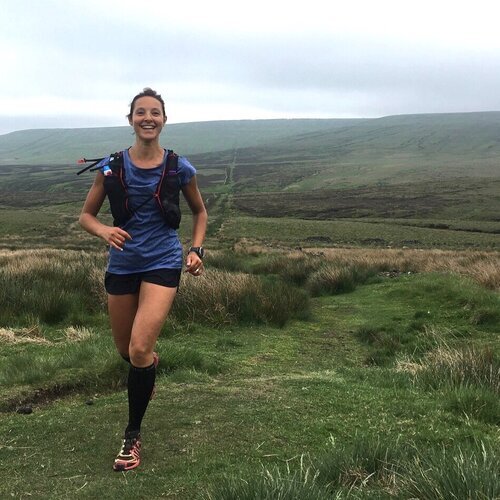
What do I need?
You don’t need loads of specialist kit to get started. Much of your road running gear will work, especially for parks and light trails.
Before buying anything new, think about where you’ll run most often. Don’t buy mountain kit if you’re mostly in local woods and don’t turn up to a big trail challenge dressed for parkrun.
If you’re unsure, drop us a line and we’re happy to advise.
Shoes
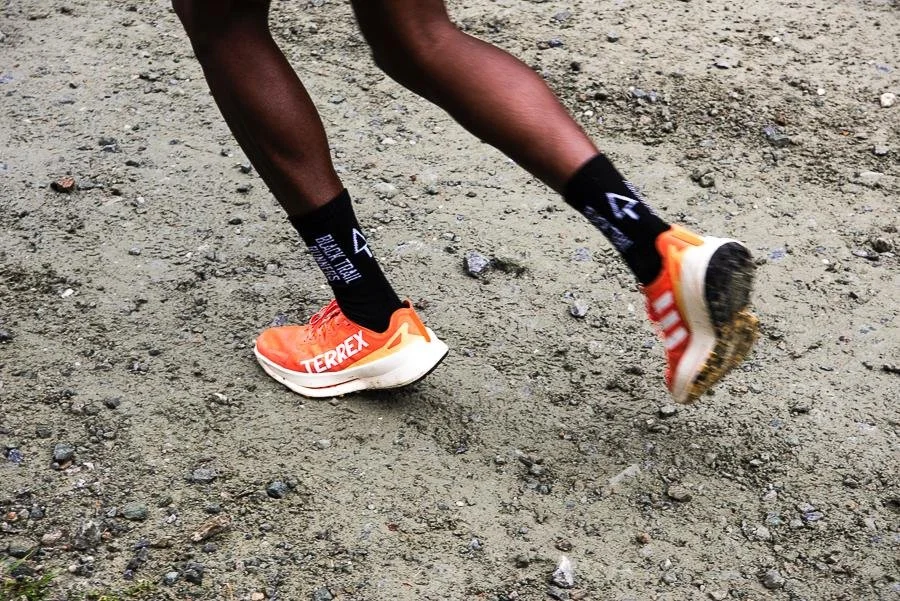
Your most important piece of kit. Trail shoes should be comfortable and fit well, beyond that, choice depends on terrain. Think of trail shoes like everyday footwear: you wouldn’t wear flip-flops up a mountain or wellies to the beach.
We would always recommend trying a shoe on before you buy.
-
Trail surfaces are less predictable than roads. Shoes have knobbly soles (called lugs) which vary in size and firmness depending on whether you’re running on mud, gravel, rock or mixed terrain.
-
Trail shoes are often wider for stability on uneven ground. Some are more cushioned, others are lower-profile with better ground feel. Extra cushioning (sometimes called stack) can reduce fatigue, but higher stack shoes may feel less stable on technical trails. When starting out a balanced all-rounder offers the best mix of comfort and control.
-
The difference in height between heel and toe. There’s no perfect number, go with what feels good on your body.
-
Mesh uppers breathe well but aren’t waterproof. Tougher uppers offer protection on rocky ground. Choose what suits where you’ll run most.
-
Mountain shoes are built tough but can feel rigid on soft trails. Lighter shoes feel faster but won’t protect as well on rocks.
-
No shoe is truly waterproof (there’s a big hole at the top). Materials such as Gore-Tex can help in wet conditions, but only if maintained properly. Please don’t put plastic bags in your shoes, they don’t breathe.
-
Trail shoes can be used for road running, hiking or the pub, but they’re best where they’re designed to be used.
Clothing
The right clothing can make the difference between a great run and a miserable one. Trail running means dealing with changing weather, uneven terrain and carrying everything you need, so comfort and practicality are more important than looking the part. Choose technical fabrics that help regulate your temperature, avoid cotton where possible.
-
Comfort is king. Look for stretch, lightweight fabric and pockets for gels, snacks and phone etc.. Wet shorts = chafing. Nobody wants that.
-
Synthetic fabrics dry quickly and wick sweat. Choose sleeves based on weather and check seam placement if you’ll wear a running vest.
-
Trail running involves a lot of movement. A well-fitting running-specific bra with good support and sweat-wicking fabric makes a big difference.
-
Essential in cooler or wet conditions. Wind and rain increase heat loss, raising fatigue and risk. Look for something lightweight, breathable and packable.
-
This is actually a type of close fitting bag essential for longer runs, especially away from roads. They often have water pouches, food pockets storage for layers and essentials, useful if weather turns or plans change.
Accessories
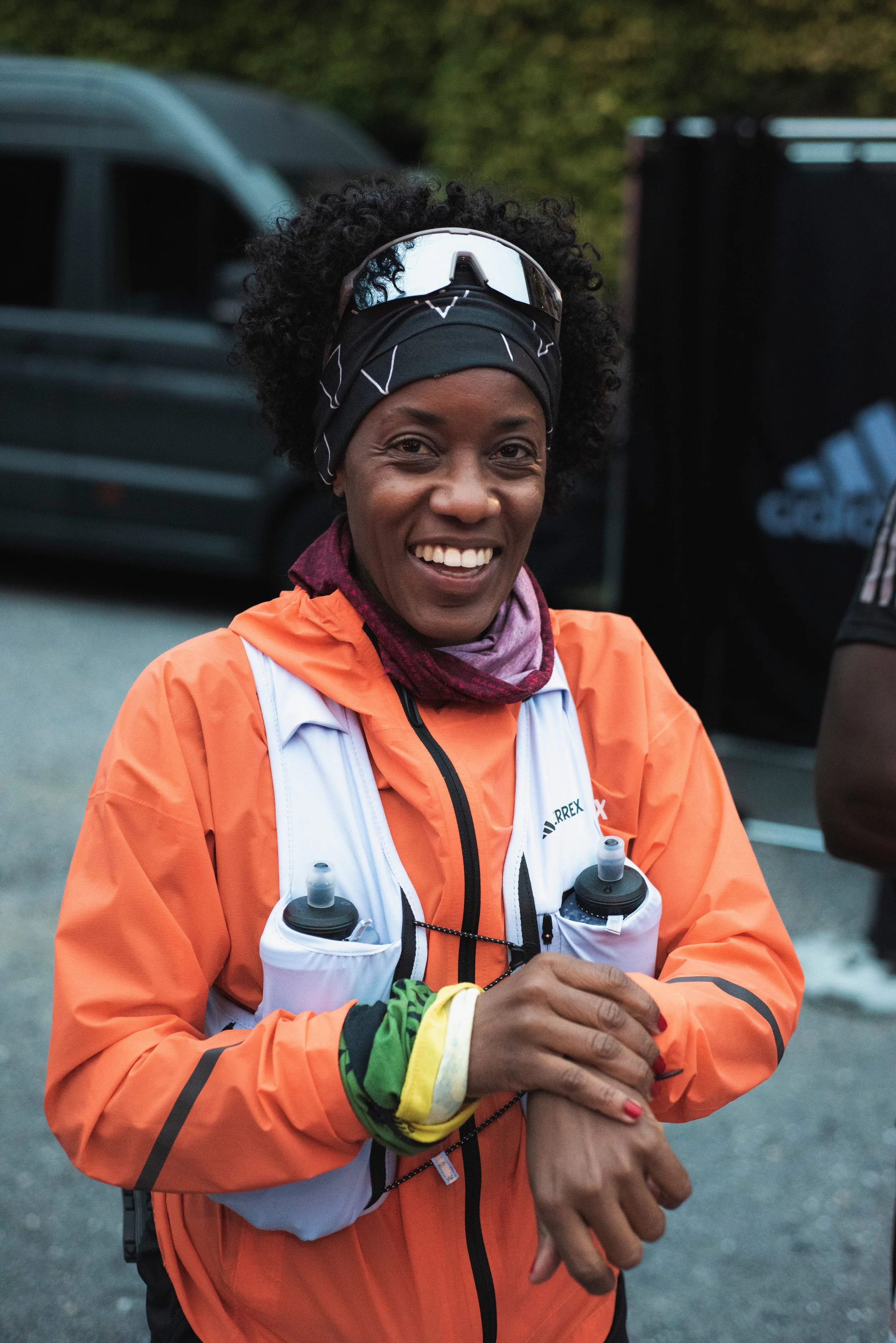
The right accessories can make your run more comfortable, safer and better suited to the conditions. You won't need everything for every run, but a few well-chosen extras can help you stay protected from the elements and enjoy your time on the trails.
-
Sun protection matters. Choose lightweight, breathable options.
-
Cheap, light and versatile hat, headband or neck warmer.
-
Optional. Useful in mountainous terrain to reduce leg fatigue.
-
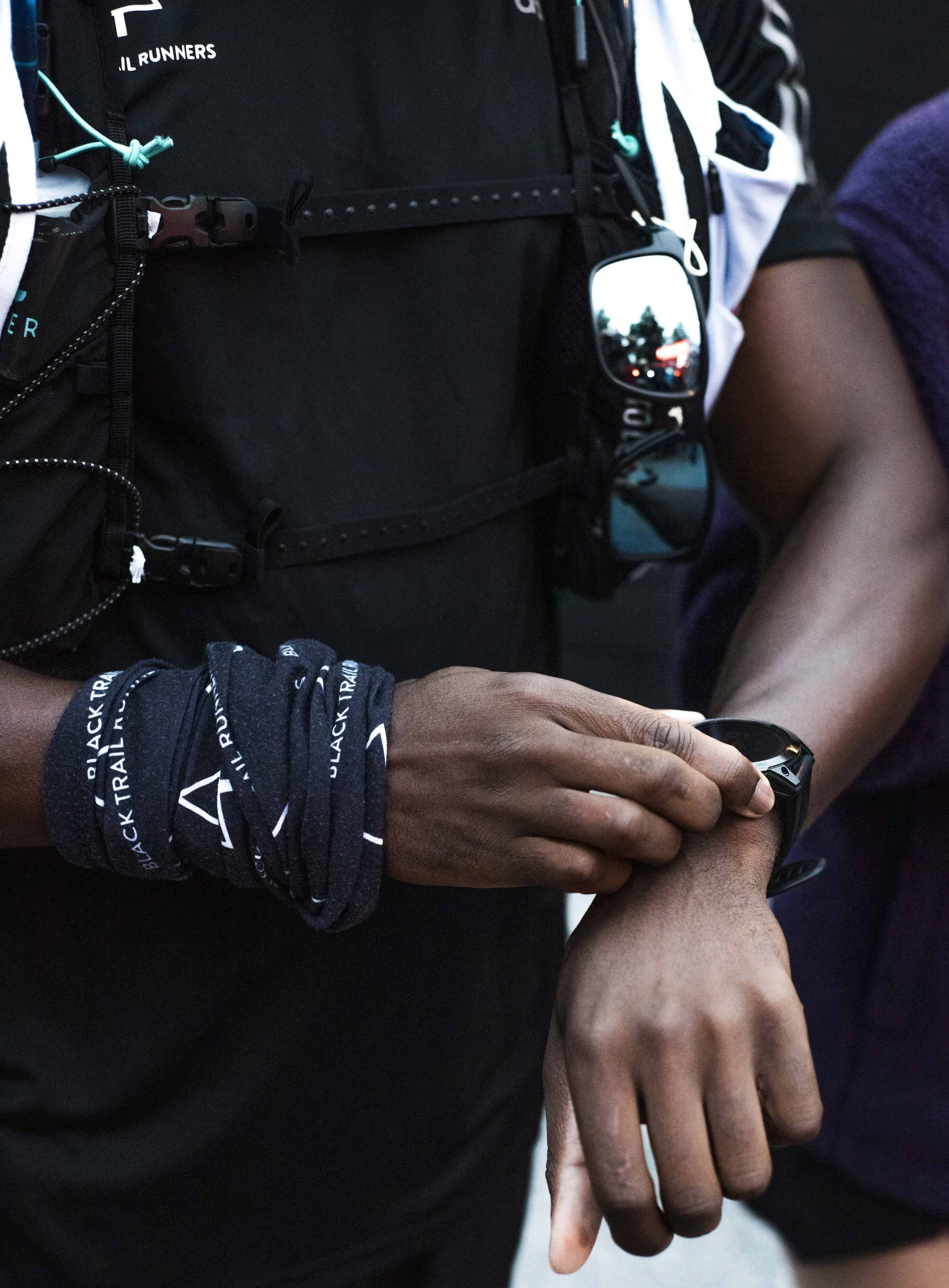
A running watch isn't essential, but it can be a useful once you start spending more time on the trails. Most GPS watches can record your distance, pace, elevation and heart rate, helping you track your progress over time.
Many watches also aid with navigation, allowing you to follow a pre-planned route or find your way back if you take a wrong turn.
Training and recovery tools can help you manage your effort, reduce the risk of overtraining and suggest recovery times based on your recent activity.
You don’t need the latest or most expensive model. Choose a watch that suits the type of running you do now. 2nd hand versions are worth concidering.
Food and Water
Trail running uses energy and you need to replace it.
Carry snacks you enjoy and eat before you’re desperate. Hydration matters too: dehydration can cause weakness, cramps, confusion and worse. Drink water.
Always better to be looking at a snack than looking for one.
-
Carry enough water for the distance, weather and intensity of your run. On longer outings, a soft flask or hydration bladder in your running vest makes it easy to drink little and often.
-
If there aren't any places to refill water along your route, make sure you carry enough from the start.
-
Pack easy-to-carry snacks such as energy bars, gels, dried fruit or sweets. Everyone fuels differently, so use your training runs to find out what works best for you.
-
Don't wait until you feel hungry or your energy drops. It's much easier to stay fuelled than it is to recover once you've run low. Eating small amounts regularly is generally the best way to maintain your energy.
-
After your run, drink to replace lost fluids and eat something containing carbohydrates and protein to help your body recover, especially after longer or more demanding runs.
-
Trail runs often take longer than the same distance on the road. Plan your food and water for the time you'll be out, not just the distance you'll cover.
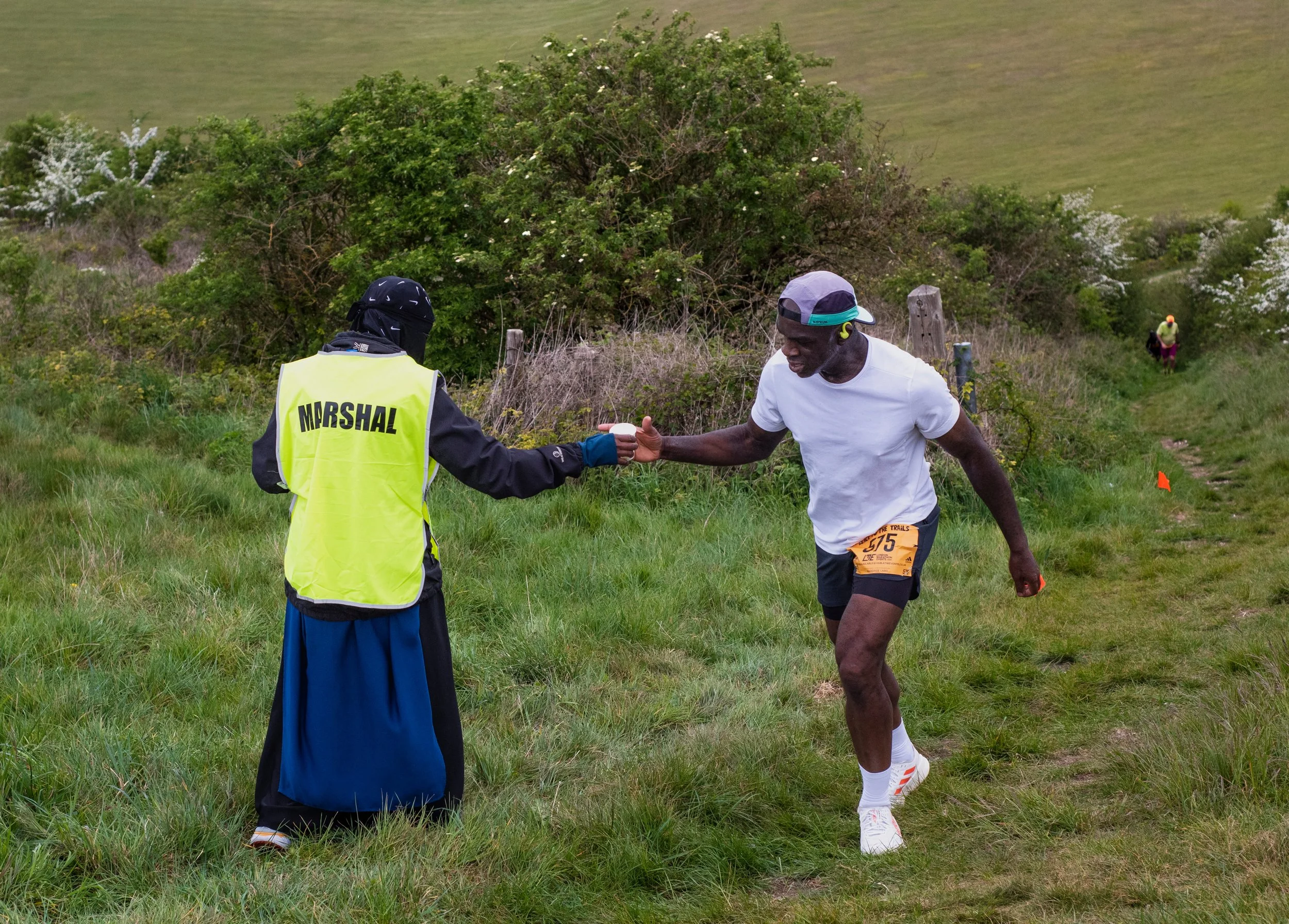
Staying Safe on the Trails
Trail running should be joyful, freeing and restorative but it also requires preparation. Staying safe means thinking about the environment, your body, and the social spaces you move through.

Before you run
✔ Tell someone where you’re going and when you expect to be back.
✔ Plan your route and check weather and daylight.
✔ Carry enough food, water and layers for the distance and conditions.
✔ Bring a phone, map or GPS device and know how to use it.
✔ Make sure you feel physically capable for the run in mind.
On the trail
✔ Pace yourself and don’t be afraid to walk.
✔ Be aware of farm animals, changing weather and uneven ground.
✔ Trust your instincts, if something doesn’t feel right, it probably isn’t.
Running while Black
For Black runners and People of Colour, safety is not just about terrain or weather. Experiences of being questioned, watched, or made to feel out of place in rural or outdoor spaces are real.
✔ Run with others if that feels safer.
✔ Choose routes and events where you feel welcome.
✔ Wear what makes you feel comfortable and confident.
✔ We promote races, routes and partners we trust.

Become a Member
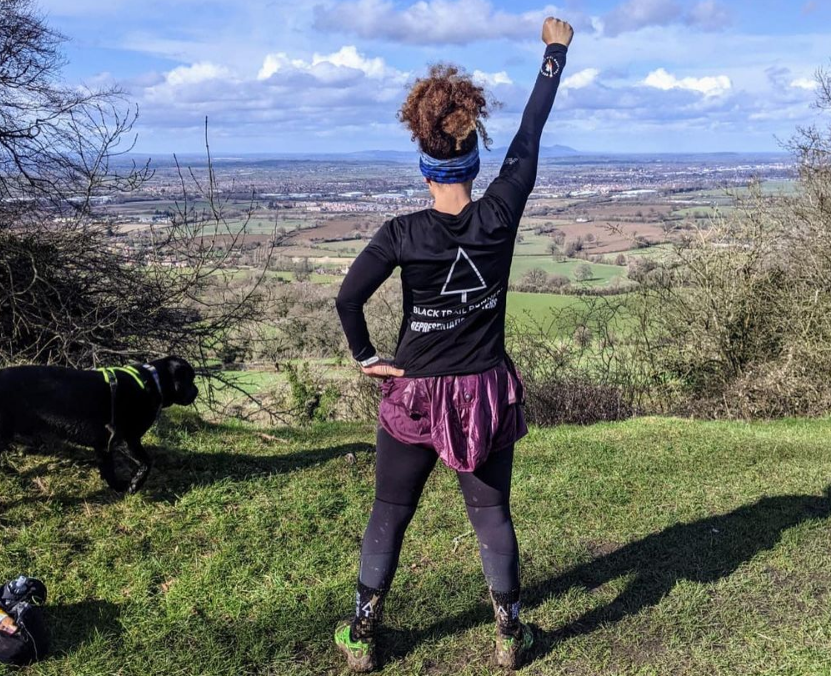
BTR exists to reduce barriers through community, visibility, education and advocacy, so that trail running can be safer, freer and more joyful for everyone. Join us today.
Donate
Black Trail Runners is a volunteer led charity. Every donation helps us remove barriers and create real opportunities for Black people and People of Colour in trail running.
Your support helps us to:
Run free and low-cost trail taster sessions
Support members with travel and race entry costs
Enable Black runners to gain instructor and leadership qualifications
Cover the essential admin that keeps the charity running
If you’d like to support our work, you can donate via our JustGiving page.